
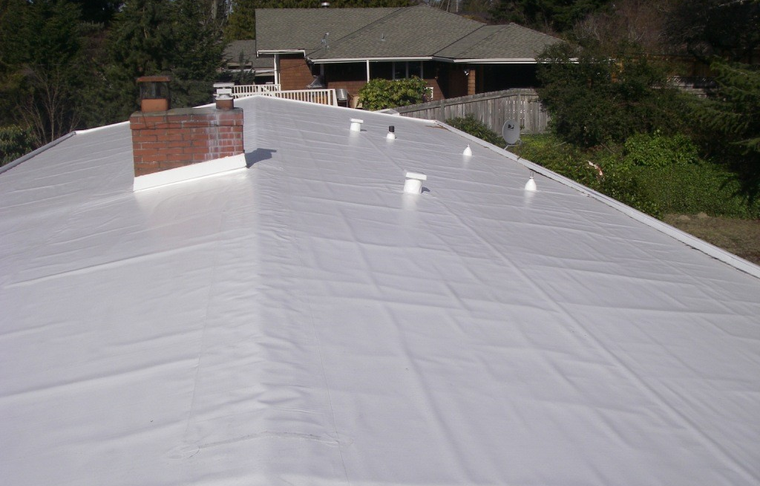
Emergency roof repair
Emergency roof repair
When water is entering the building, start with containment, source tracing, and a clear path from dry-in to permanent repair.
View Roof WorkIf water is entering the building, call now. We will help move the problem from emergency containment to a permanent repair plan without losing sight of the interior risk.
If the roof is aging but still dry, start with a flat roof inspection and report. That is how an owner learns whether a targeted repair, restoration coating, recover, or full replacement is the smart spend.
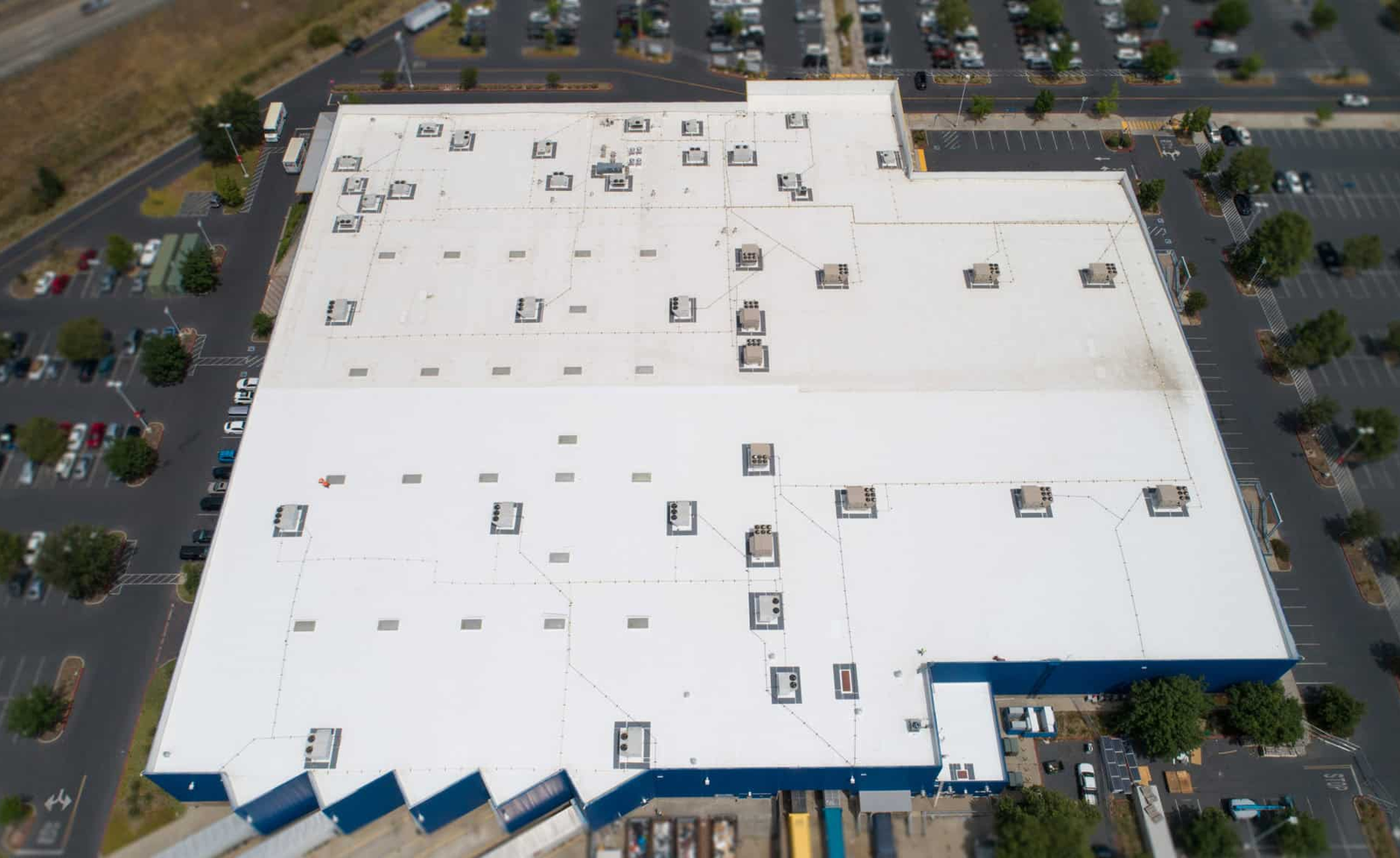
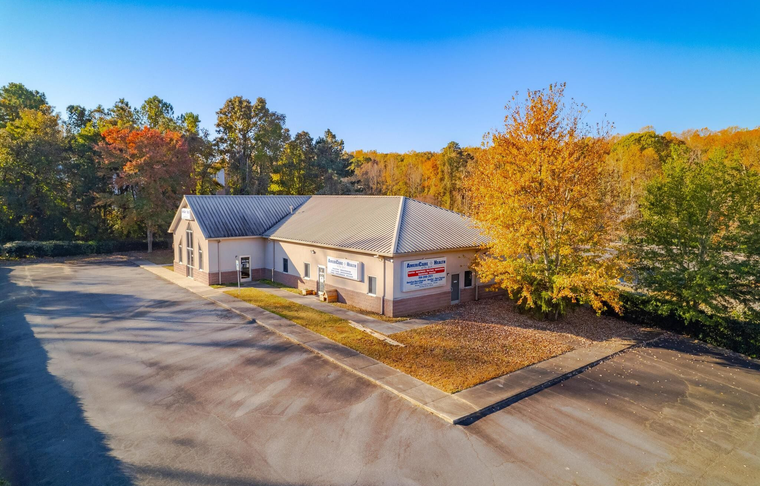
A useful inspection records membrane condition, seams, curbs, drainage, edge metal, repairs, rooftop equipment, and signs of trapped moisture. The report should show what is urgent, what can be repaired, and what belongs in the capital plan.
That evidence gives Reno owners a fair way to compare repair, coating, recover, and replacement bids without letting the biggest proposal make the decision.
When water is entering the building, start with containment, source tracing, and a clear path from dry-in to permanent repair.
View Roof Work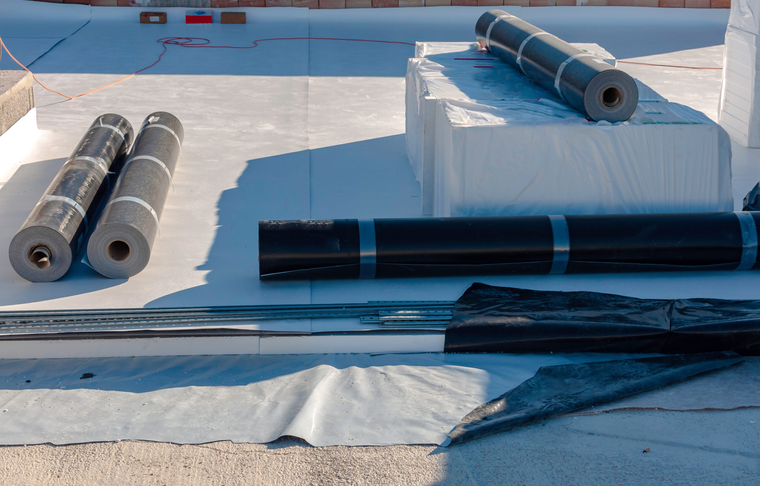
Get photos, condition notes, repair priorities, and a straight answer before spending money on a coating or replacement.
View Roof Work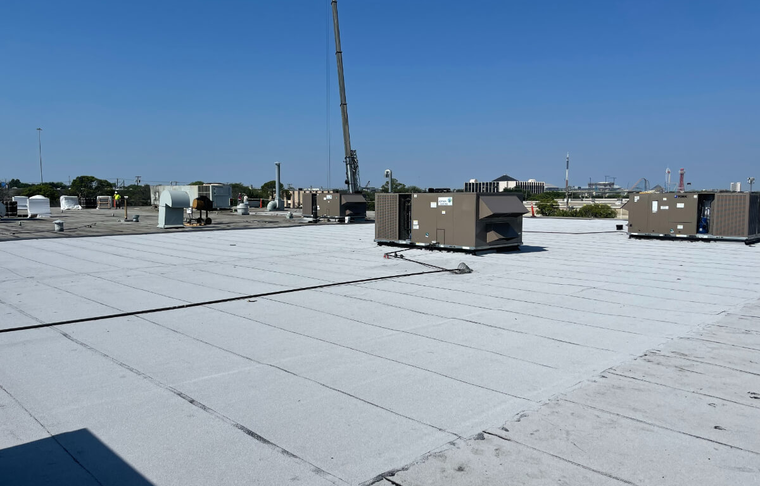
Compare the real options against moisture, membrane condition, drainage, insulation, attachment, and remaining roof life.
View Roof Work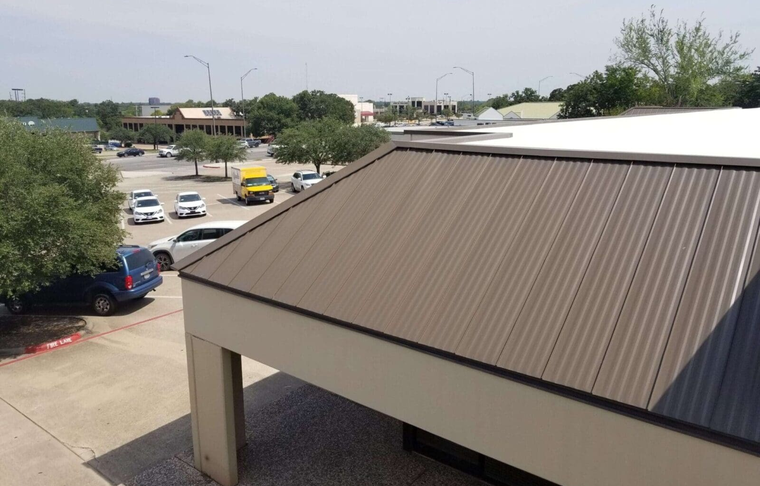
Keep drains, seams, flashings, and past repairs on a documented inspection schedule so small failures stay small.
View Roof Work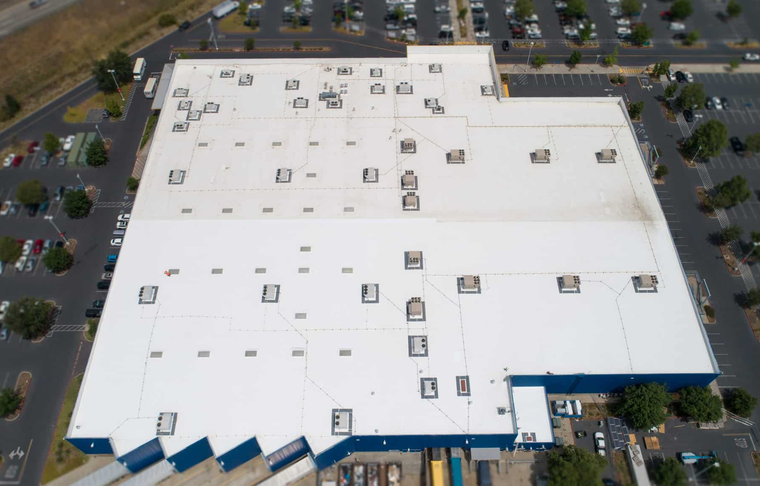
Confirm the replacement need and build the complete scope before contractors bid tear-off, insulation, drainage, and edge work.
View Roof WorkWhen water is coming in now, temporary dry-in stops the active intrusion and protects the interior while the permanent Reno roof scope is measured, priced, and scheduled without panic.
Before a Reno owner commits repair or capital dollars, a roof walk records membrane seams, drains, curbs, and wall flashings, photographing every condition that high-desert UV and thermal cycling tend to open up.
Most leaks reported here trace back to a failed detail, not the whole field, so the work starts by following water from the interior stain back to the seam, fastener, or penetration that let it in.
Coating only makes sense on a roof that can actually hold one, which is why adhesion pulls, infrared moisture checks, and detail review come before any restoration is recommended over a sound Reno deck.
When a low-slope assembly has cycled through too many Truckee Meadows freeze-thaw winters to keep patching, replacement planning covers tear-off limits, R-value upgrades, drainage corrections, and a dry-in sequence that keeps the building covered.
Scheduled flat roof inspections, drain clearing, small repair tracking, and documented roof history help Reno facility teams prevent surprise leaks and plan capital work before it becomes urgent.
Commercial roofs in Reno need a scope that accounts for snowmelt, sun exposure, rooftop equipment, tenant access, and budget timing before crews arrive.
The right system depends on deck condition, insulation, rooftop traffic, snowmelt paths, wind exposure, and how much future maintenance the building can support.
Reno roof damage can start with one leak and turn into budget confusion. We document what failed, what is active, and what can wait.
From downtown buildings to industrial rooftops east of Sparks, each roof gets written findings tied to its location, exposure, and access constraints.
A warehouse roof, medical roof, restaurant roof, and multifamily roof carry different risks. The roof plan should reflect the use of the building below.
Owners and managers need a roof plan they can defend. Each capability is tuned to observations, photos, and a clear next step.
Different roof assemblies carry different warranty, maintenance, and installation requirements. We document the path before installation decisions are made.
Commercial roofing work should begin with evidence, not a generic bid. These pages explain how different roof decisions are scoped.
Roof walks, repair scopes, replacement planning, and maintenance records for commercial properties across Reno and Washoe County.